When it comes to cutting metal with precision, selecting the right bandsaw blade is crucial. Bandsaw blades are not one-size-fits-all, and the wrong choice can lead to poor performance, increased costs, and wasted material. In this guide, we’ll walk you through the key factors to consider when choosing a metal-cutting bandsaw blade.
Factors to Consider
- Blade Material:
- Bi-Metal Blades: Ideal for cutting hard metals like stainless steel and alloy steel. They offer durability and long life.
- Carbon Steel Blades: Cost-effective and suitable for softer metals such as aluminium and brass.
- Tooth Configuration:
- Raker Set: Great for general-purpose cutting.
- Wave Set: Best for cutting thinner metals to reduce vibration.
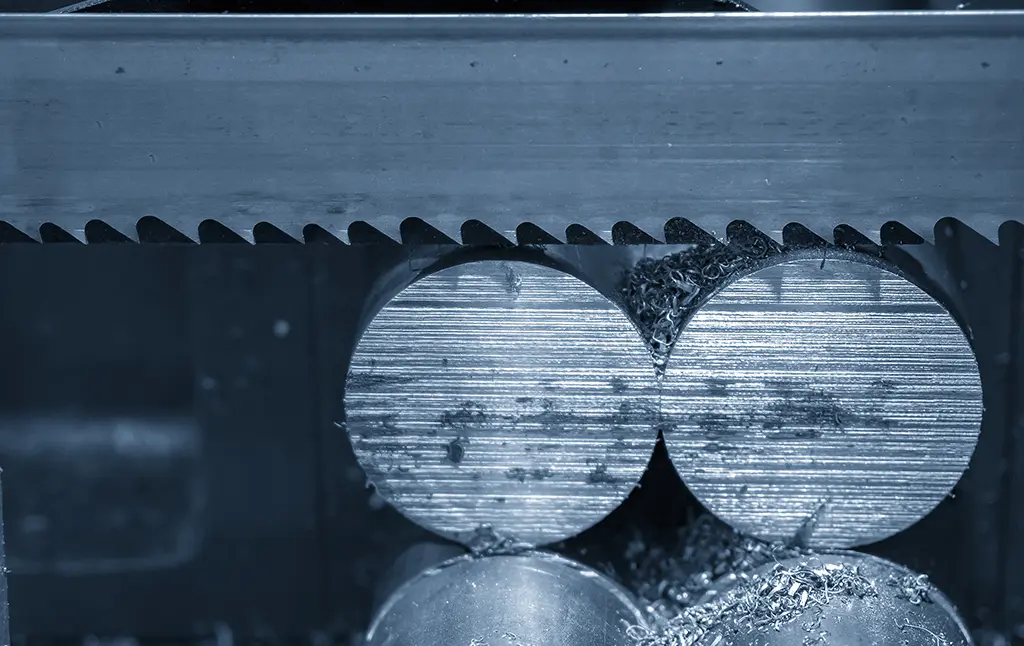
- Hook Tooth: Recommended for cutting thicker materials quickly.
- Teeth Per Inch (TPI):
- A lower TPI is suitable for thicker materials, while a higher TPI works best for thin sheets.
- Blade Width:
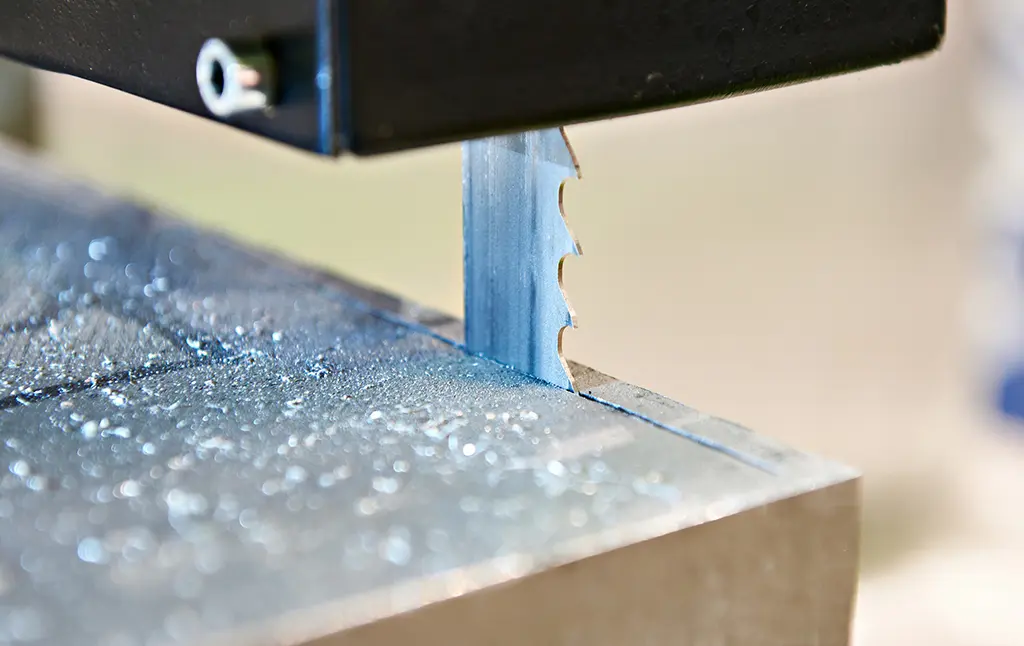
- Wider blades provide better stability for straight cuts.
- Narrower blades are better for intricate and curved cuts.
Internal Links
For a wide selection of high-quality bandsaw blades, check out our bandsaw blades collection.
FAQs
What’s the best blade for cutting stainless steel?
A bi-metal blade with a lower TPI is ideal for stainless steel.
Can I use the same blade for wood and metal?
No, blades designed for wood won’t perform well on metal and may damage the material.